



Sibiu is one of the best Romanian cities to turn into a proper weekend escape. The historic centre is compact, most major sights are within walking distance, and the city moves naturally between medieval architecture, museums, contemporary culture, local food and a calendar packed with events.
Autumn 2026 is particularly strong for a visit. Sibiu Opera Festival runs through mid-October, Astra Film Festival takes over the city later in the month, while the Christmas Market returns in November and turns the historic centre into one of Romania’s most recognisable winter destinations.
Day one: discover Sibiu on foot
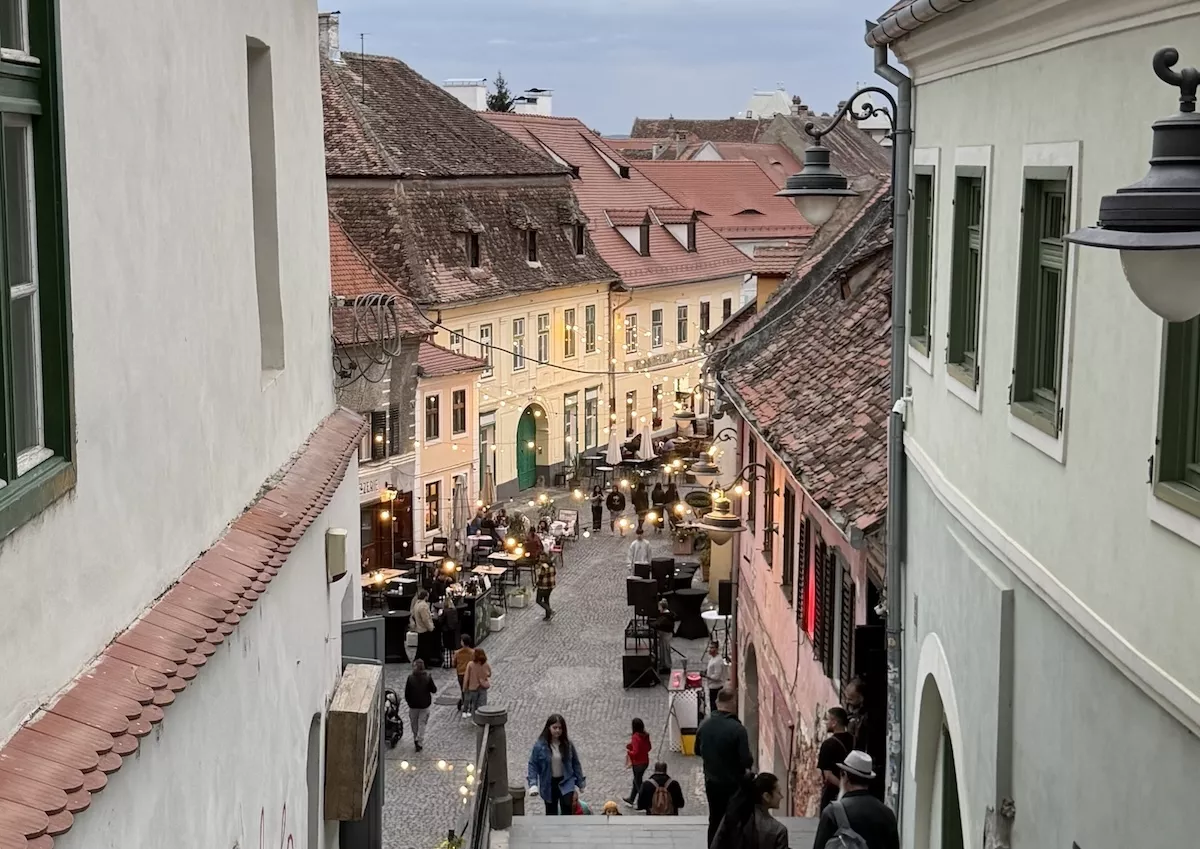
The best way to understand Sibiu is to walk it. Start in the Lower Town and head toward the Bridge of Lies, then continue through the Small Square, Large Square, Huet Square and the old fortifications around Citadel Street.
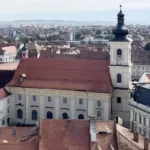
The route brings together the city’s most recognisable elements: cobbled streets, narrow passages, fortified towers, baroque facades and the famous roofs that appear to have “eyes” watching the streets below.

The Council Tower remains one of the symbols of Sibiu, although visitors should note that it is currently closed for rehabilitation. The tower is expected to remain inaccessible during the works, so the classic panoramic view from the top is temporarily unavailable.
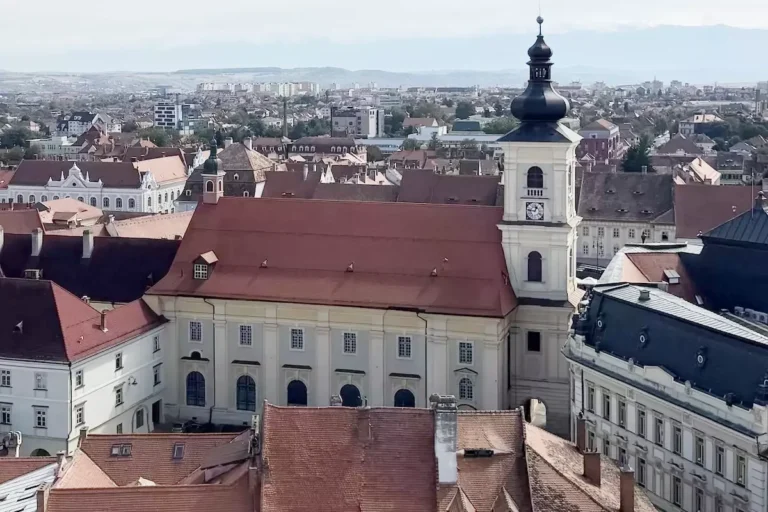
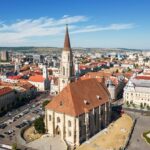
A strong alternative is Huet Square and the Evangelical Cathedral, one of the buildings that defines the city skyline. The cathedral regularly hosts organ and choral concerts, adding one of Sibiu’s most atmospheric cultural experiences to a city break.
Brukenthal and the cultural core of the city
The Brukenthal National Museum in Large Square is one of Sibiu’s essential stops. Housed in the former palace of Samuel von Brukenthal, governor of Transylvania, the museum is home to one of Romania’s most important collections of European art.
From there, visitors can continue toward the History Museum in the Altemberger House, the Orthodox Metropolitan Cathedral, the Teutsch House and the old defensive walls and towers.
Day two: ASTRA Museum and Dumbrava Sibiului
One of Sibiu’s biggest advantages is that sightseeing never feels logistically difficult. Cafés, restaurants and museums sit close enough together that the centre can be explored at a relaxed pace rather than as a race between attractions.
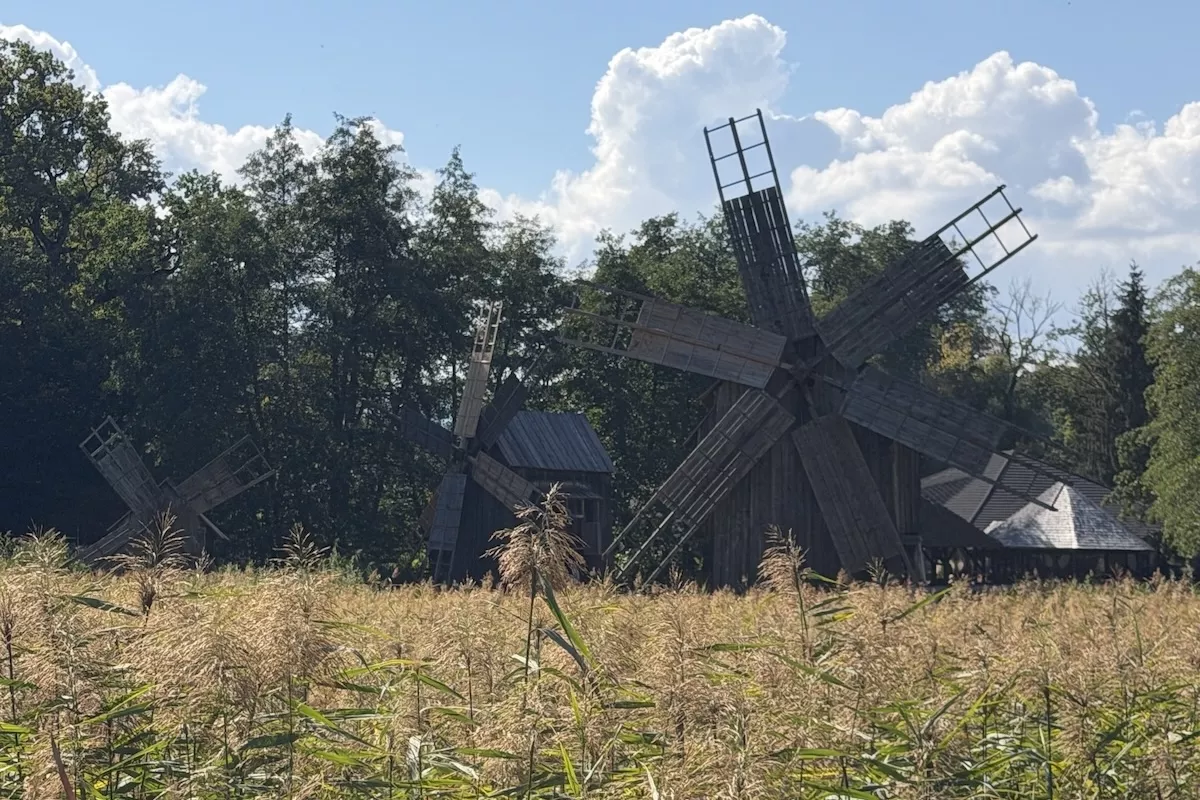
If the first day belongs to medieval Sibiu, the second should be reserved for Dumbrava Sibiului. The ASTRA Museum is one of Romania’s largest open-air museums and one of the strongest reasons to stay more than a single day.
Traditional houses, workshops, mills, churches and rural installations from different regions of Romania are spread across a large natural landscape, creating the feeling of walking through a collection of villages rather than a conventional museum.
ASTRA has also developed into a major cultural venue, with events focused on crafts, food, multicultural heritage and traditional communities. It is the kind of place where two hours can easily turn into half a day. For a more relaxed afternoon, Binder Lake offers a completely different side of Sibiu, with green space, water activities and leisure areas.
Sibiu is as much about food as architecture
The city’s gastronomic identity reflects the interaction of Romanian, Saxon, Hungarian and other communities that have shaped the region. That history is increasingly visible in a new generation of restaurants that mix local ingredients with contemporary menus.
In and around the historic centre, restaurants such as Kombinat, Pasaj, Kulinarium, Crama Sibiul Vechi, Hermania, La Turn and Weinkeller make it easy to build an entire weekend around food. Specialty coffee has also become part of the city experience, while local markets offer a more direct look at the region’s produce.
On Saturday mornings, Piața Volantă Transilvania brings together local producers, while Piața Cibin remains one of the best places to find cheese, vegetables, fruit, meat and traditional products from the Sibiu area and beyond.
Autumn 2026: opera, documentary film and contemporary culture
For an October city break, the cultural calendar may be the best way to choose travel dates. Sibiu Opera Festival runs into mid-October, with opera, vocal-symphonic concerts and crossover productions staged across the city. Astra Film Festival follows later in October, bringing international documentary cinema, debates and filmmaker meetings to Sibiu.
The city is also home to the Sibiu International Theatre Festival, one of the largest performing arts festivals in Europe, as well as ARTmania, Feeric Fashion Week, Sibiu Jazz Festival, contemporary art events and traditional craft fairs.
Winter begins in Large Square
For travellers who prefer a winter city break, Sibiu’s Christmas Market returns from mid-November and runs into early January. Large Square becomes the centre of the season, with lights, stalls, food and events framed by the historic architecture of the old town.
The market is one of the moments when Sibiu uses its urban setting particularly well. The baroque facades, rooftops and passages become part of the experience rather than simply a backdrop.
A city break that works without rushing
Sibiu’s real strength is the short distance between very different experiences. You can start the morning in a local market, walk through the medieval centre before lunch, spend the afternoon in a museum, attend an opera or documentary screening in the evening and finish the day at a restaurant only a few minutes from your hotel.
For a two-night stay, the formula is simple: one day for the historic centre and food scene, one day for ASTRA Museum and Dumbrava, with evenings built around whatever cultural event happens to be in town.